

Mountain effect, occurring for instance with NDBs, is caused by what physical phenomenon?
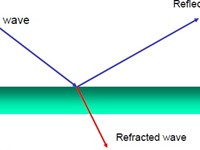
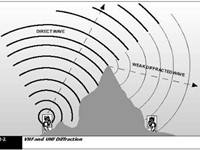
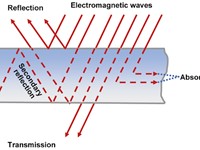
Refer to figure.
MOUNTAIN EFFECT
MOUNTAIN EFFECT
Mountainous areas can cause both reflections and diffraction of the transmitted radio waves to produce errors in ADF systems. Such errors increase at low altitude and can be minimized by flying higher.
Note: The new learning objectives state the following "Describe diffraction of radio waves in mountainous terrain (mountain effect)." => it seems that the correct option for this question differs:
- EASA2016: reflection
- EASA2020: diffraction
Your Notes (not visible to others)
This question has appeared on the real examination, you can find the related countries below.
-
United Kingdom8
-
Austro Control6
-
Hong Kong5
-
Pakistan4
-
Poland4
-
Greece2
-
Lithuania2
-
Czech Republic1
-
Ireland1
-
Spain1


 Use Keyboard Shortcuts
Use your keyboard for faster navigation
