

The integrated avionic suite in an aircraft is unserviceable, what option is available to the pilot to replace the lost functionality?
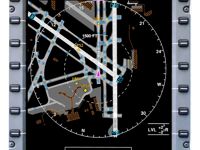
Refer to figure.
EASA learning objective 022.13.06.01.01 states: ‘Explain the purpose of the EFB and list typical equipment: computer laptop; tablet device; integrated avionics suite in the aircraft.’
EASA learning objective 022.13.06.01.04 states: 'Explain implications of malfunctions with the EFB installation in a fully electronic flight-deck environment: mass and balance calculations; performance calculations; access to charts; access to manuals.
In the context of this question the phrase ‘integrated avionics suite’ refers to integrated Electronic Flight Bag (EFB) hardware (as stated in the LO).
Electronic Flight Bags (EFB) were introduced to improve crew efficiency by using less paper on the flight deck. Initially this involved using digital copies of technical documents, charts and approach plates on a portable electronic device such as a laptop or tablet. Eventually more sophisticted apps allowed performance calculations and the latest technology includes the ability to display dynamic data such as a moving map on the EFB. EFB hardware is divided into two categories: portable and installed.
Portable EFB
A portable electronic device (PED), which is not part of the certified aircraft configuration, that can be used on or off the flight deck. (e.g.laptop or tablet).
Installed EFB
An EFB platform that is installed in the aircraft and is considered an aircraft part and therefore subject to airworthiness approval. Early installed EFB's were PEDs that were modified to have a permanet mounting on the flight deck with their own power supply. The latest installed EFB's are integrated into the permanent flight deck displays (see figure).
Loss of an integrated EFB may affect access to charts and manuals and have an impact on performance and mass and balance calculations. Aircraft fitted with an integrated EFB system will normally carry portable EFB's for back up in case of a failure . Aircraft which only use portable EFB's will normally carry paper backups of performance data and navigation and approach charts. Unfortunately the answer options provided only include the use of paper back ups rather than the use of a portable EFB!
Use the company routes in the FMS navigation database. → INCORRECT. EFB's are used for performance and mass and balance calculations they also contain digital copies of charts, approach plates and technical manuals. Uploading a company route into the FMS will not replace EFB functionality.
Use raw data from other electronic instruments → INCORRECT. ‘Raw data’ refers to unprocessed information. There are no EFIS instruments which can replicate the functionality of an EFB.
Use paper graphs and paper charts for navigation and performance calculations → CORRECT. In the absence of portable EFB back up devices this would be the only option.
Wait for the system to automatically restart before continuing the flight → INCORRECT. Failed systems don't normally automatically restart.
Note: There is limited feedback for this question so if you encounter it please let us know.
Your Notes (not visible to others)
This question has appeared on the real examination, you can find the related countries below.
-
Greece2
-
Austro Control1
-
Czech Republic1
-
Denmark1
-
Hungary1
-
Portugal1
-
Serbia1
-
Spain1


 Use Keyboard Shortcuts
