

What is most likely to happen when the aircraft's speed indication becomes unreliable?
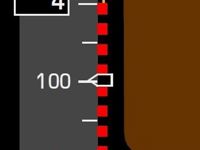
Refer to figure.
EASA learning objective 022.02.06.01.09 states: 'Define the term ‘unreliable airspeed’ and describe the means by which it can be recognised such as: different airspeed indications between ASIs; unexpected aircraft behaviour; buffeting; aircraft systems warning; aircraft attitude.'
Airspeed indications can become unreliable because of erroneous data from pitot/static systems, AoA sensors or air data computers. Depending on the size of the error, fault detection systems can sometimes alert the pilots but this isn't always the case so pilots need to be aware of the means by which it can be recognised. The learning objective lists the following:
- Differing airspeed indications between ASI's - airspeed indications are shown both PFD's and a standby ASI.
- Unexpected aircraft behaviour - aircraft handling changes with airspeed, do the handling characteristics match the indicated speed?
- Buffeting - exceeding high and low speed buffet boundaries will cause buffet but so will turbulence or changes in configuration such as extending the speedbrakes.
- Aircraft systems warning - Boeing aircraft display 'IAS disagree' on the PFD if airspeeds differ and Airbus aircraft may display ADR (air data reference) alerts. Possible triggering of the stall warning system.
- Aircraft Attitude - a high nose attitude when not at a low indicated airspeed would be unusual, as would a low nose attitude when at a low indicated airspeed.
From the horizontal stabiliser, the pilots will receive some kind of vibration through flight controls --> INCORRECT. FBW aircraft flight controls aren't connected to the control surfaces and airframe buffeting is unlikely to be fed back to the control column as 'vibration' on large aircraft with conventional powered flying controls.
Stick shaker activation or airspeed low indications on one side --> CORRECT. It's highly likeley that ASI readings will differ so one ASI could indicate a lower speed than the other. Erroneous airspeed could affect stall warning systems as airspeed is an input as well as AoA.
Vibration on the floor and pedals --> INCORRECT. Airframe buffeting is unlikely to to be translated into 'vibration' through the airframe floor and rudder pedals
Nose pitch up --> INCORRECT. 'Pitch up' implies a sudden movement of the nose, this is not the same as an unusual attitude for the indicated airspeed.
Your Notes (not visible to others)
This question has appeared on the real examination, you can find the related countries below.
-
Spain2
-
Thailand1


 Use Keyboard Shortcuts
