

The pilot wishes to inform the tower controller about a go-around. What is the appropriate phrase?
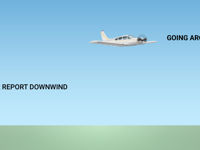
Refer to figure.
ICAO Doc 9432 - Manual of Radiotelephony
4.8 GO AROUND
4.8.1 Instructions to carry out a missed approach may be given to avert an unsafe situation. When a missed approach is initiated, cockpit workload is inevitably high. Any transmissions to aircraft going around should be brief and kept to a minimum.
4.8.3 In the event that the missed approach is initiated by the pilot, the phrase “GOING AROUND” shall be used.
ICAO Doc 4444 - Air Traffic Management
Chapter 1 - DEFINITIONS
Missed approach procedure. The procedure to be followed if the approach cannot be continued.
Your Notes (not visible to others)
This question has appeared on the real examination, you can find the related countries below.
-
Austro Control1


 Use Keyboard Shortcuts
