

In which type of airspace does ATC provide information service only?
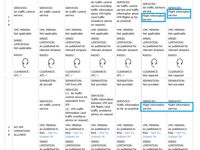
Refer to figure.
- Class A: air traffic control services
- Class B: air traffic control services
- Class C
- IFR flights: air traffic control services,
- VFR flights: air traffic control services for separation with IFR and VFR traffic information (and traffic avoidance advice on request)
- Class D
- IFR flights: air traffic control services including traffic information about VFR flights (and traffic avoidance advice on request)
- VFR flights: traffic information about VFR and IFR flights (and traffic avoidance advice on request)
- Class E
- IFR flights: air traffic control services and traffic information for VFR flights as far as practical
- VFR flights: traffic information as far as practical
- Class F
- IFR: air traffic advisory service and flight information service
- VFR: flight information service
- Class G: flight information service
SA-CATS 172 - Airspace and Air Traffic Services
172.02.2 CLASSIFICATION OF AIRSPACE AND LEVEL OF SERVICE PROVISION
1. Classes of airspace
The classes of airspace are –
(1) controlled –
(a) Class A – airspace in which only IFR flights are permitted and all such flights are –
(i) subject to air traffic control services; and
(ii) separated from each other;
(b) Class B – airspace in which IFR flights and VFR flights are permitted and all such flights are –
(i) subject to air traffic control services; and
(ii) separated from each other;
(c) Class C – airspace in which IFR flights and VFR flights are permitted and –
(i) all such flights are subject to air traffic control services;
(ii) IFR flights are separated from each other and from VFR flights; and
(iii) VFR flights are separated from IFR flights and receive traffic information in respect of all other VFR flights;
(d) Class D – airspace in which IFR flights and VFR flights are permitted and –
(i) all such flights are subject to air traffic control services;
(ii) IFR flights are separated from each other and receive traffic information in respect of VFR flights; and
(iii) VFR flights receive traffic information in respect of all other IFR flights and VFR flights;
(e) Class E – airspace in which IFR flights and VFR flights are permitted and –
(i) IFR flights are subject to air traffic control services and are separated from each other; and
(ii) all such flights receive traffic information; and
(2) uncontrolled –
(a) Class F – airspace in which IFR flights and VFR flights are permitted and –
(i) IFR flights receive an air traffic advisory service; and
(ii) all such flights receive flight information services, if requested; and
(b) Class G – airspace in which IFR flights and VFR flights are permitted and all such flights receive flight information services, if requested.
Your Notes (not visible to others)
This question has appeared on the real examination, you can find the related countries below.


 Use Keyboard Shortcuts
