

What may cause “grey out”?
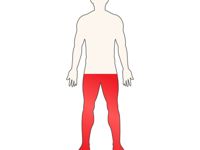
Refer to figure.
POSITIVE G-FORCES
When experiencing high positive g-forces, the body undergoes increased gravitational stress, which can force blood to pool in the lower part of the body. This reduces the blood supply to the brain and the eyes. Reduced blood Flow to the eyes can cause:
- Grey out: With less blood reaching the eyes, the retina receives less oxygen and nutrients, leading to a temporary loss of vision that starts with peripheral vision and can progress towards the center, resulting in a "grey-out" effect where vision fades to grey.
- Black out: A condition where an individual experiences a total loss of vision and consciousness due to insufficient blood and oxygen supply to the brain, often resulting from high positive g-forces. During a blackout, the gravitational forces pull blood away from the brain, leading to a temporary shutdown of brain function and visual perception.
Positive g-forces → grey out and eventually black out
Negative g-forces → red out
Note: Hypoxia and carbon monoxide poisoning affect the vision, but they do not cause grey out. This term is only related to positive “g” forces.
Your Notes (not visible to others)
This question has appeared on the real examination, you can find the related countries below.


 Use Keyboard Shortcuts
Use your keyboard for faster navigation
